MediaPipe's FaceDetector (BlazeFace short-range) finds faces in an image or video and returns, for
each one, a bounding box, 6 keypoints (eyes, nose tip, mouth,
ears) and a confidence score. It's a tiny .tflite model — about
230 KB — that runs on-device via WebAssembly (with a GPU delegate when available). Drop a
photo or turn on your webcam.
Per face: bounding box (pixels), 6 keypoints (normalized), confidence score
Range
Short-range — best for faces within ~2 m of the camera; many faces at once
Delegate
GPU when a WebGPU/WebGL adapter exists, otherwise CPU (XNNPACK)
Download
~230 KB .tflite file, cached by the browser after first load
License
Apache-2.0 (Google MediaPipe)
Web APIs
WebAssembly, Canvas, getUserMedia — all Baseline widely available
Run it
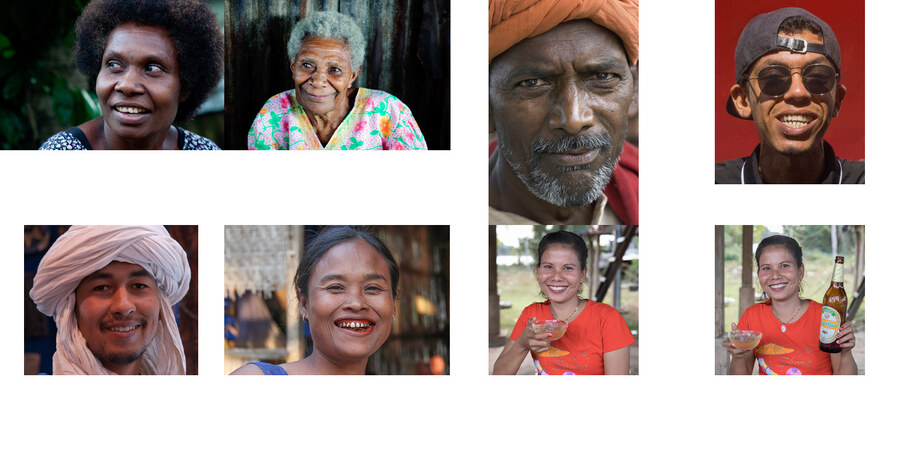
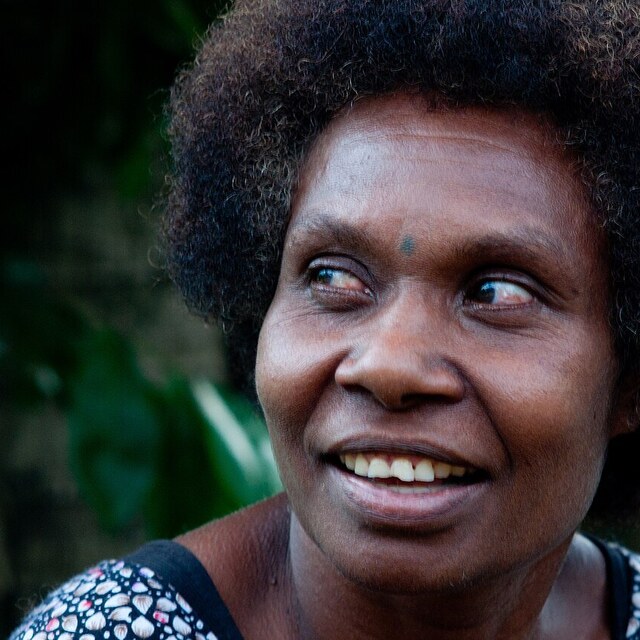
Pick a sample, drop your own photo, or use your webcam. Every detected face is boxed with its 6 keypoints and confidence drawn straight on the canvas.
Drop a photo here, or click to choose
delegate –latency –faces –
See inside
Each detection is a pixel-space bounding box (originX, originY, width, height), six
normalized keypoints, and a confidence score. Below is the raw box + score for every face found —
exactly what the model returned.
Detect faces to see their boxes and scores.
#
x
y
w
h
score
Why it matters
A face box is the first step in almost every camera feature. FaceDetector is small and fast enough
to run every frame on a phone, so "is there a face, and where?" becomes a free local primitive —
no cloud vision API, no per-call cost, nothing leaving the device.
Privacy tooling — blur or redact faces before an image is shared or uploaded, client-side.
Smart capture — auto-crop to faces, frame a group shot, or trigger the shutter when everyone's in frame.
Analytics without identity — count faces for footfall or engagement without ever recognising anyone.
Detector stage for a pipeline — gate a heavier model (landmarks, recognition) so it only runs where a face is.
This page loads the model through the showcase's shared auto-init loader and draws the boxes on a canvas at the image's natural resolution; for the webcam it switches the task to VIDEO mode and calls detectForVideo each frame.