…or drop / choose your own
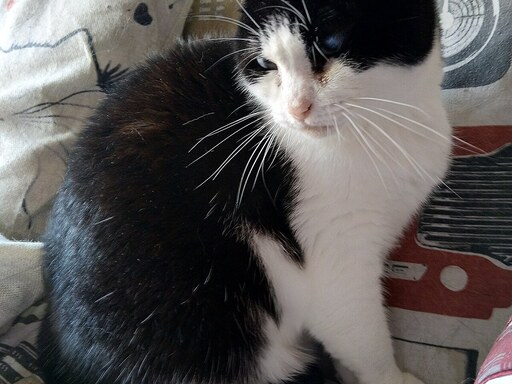
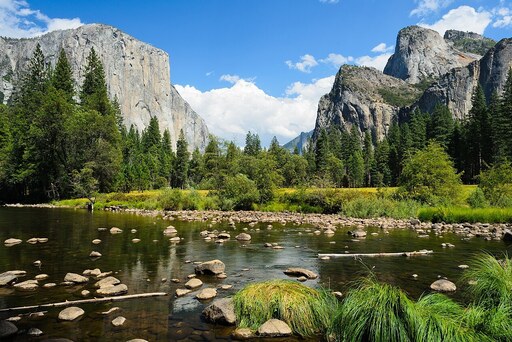
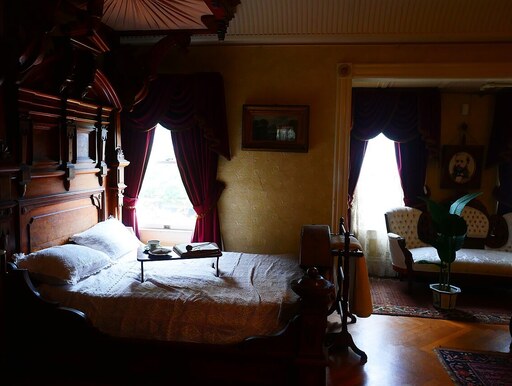
1 · nanoLLaVA caption (English)
The English caption streams here.
2 · French translation
The translation appears here.
The translation model (~75 MB) downloads on first use and runs on CPU/WASM — it doesn't need WebGPU, so only the nanoLLaVA step gates on a GPU.