See inside
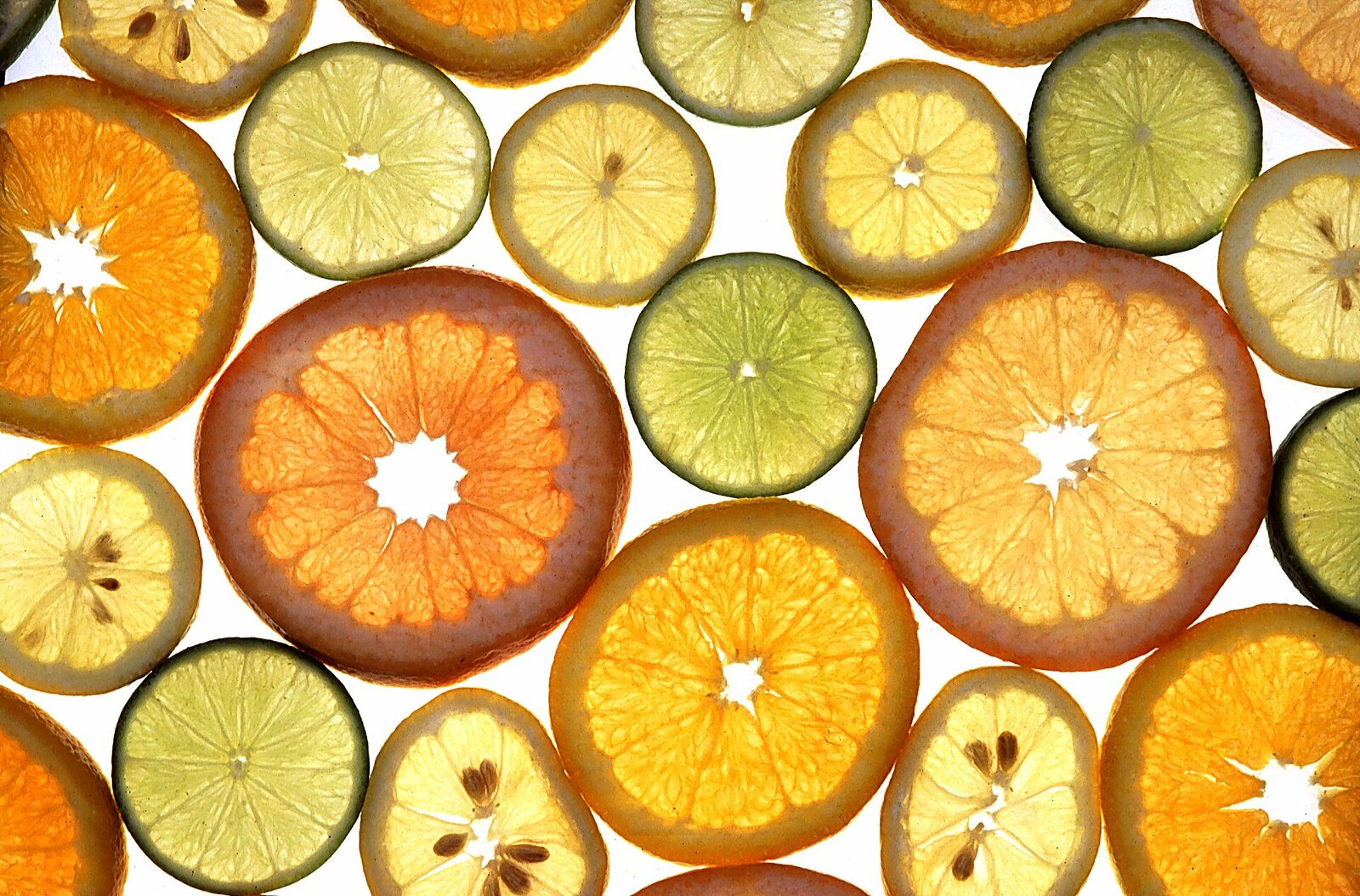
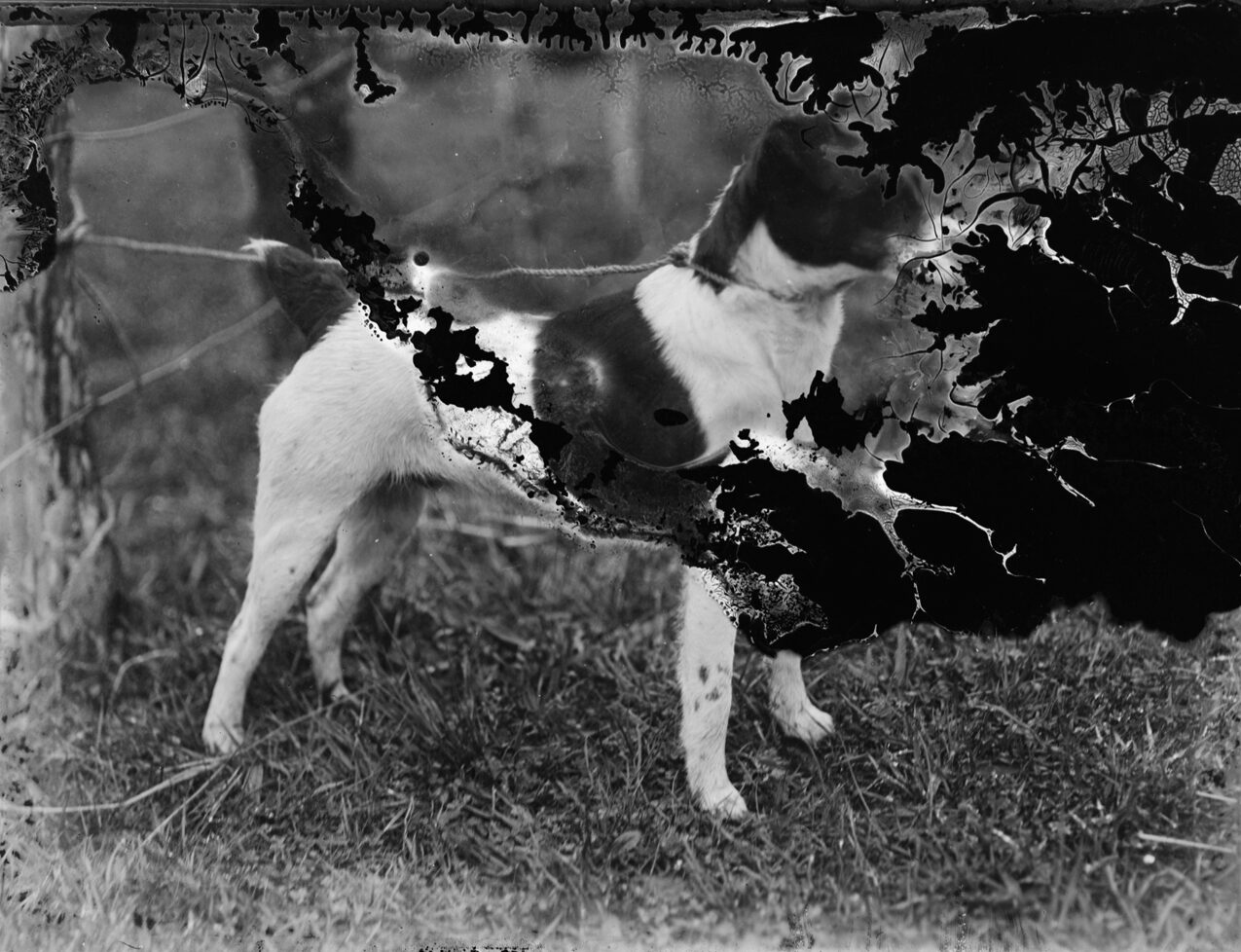
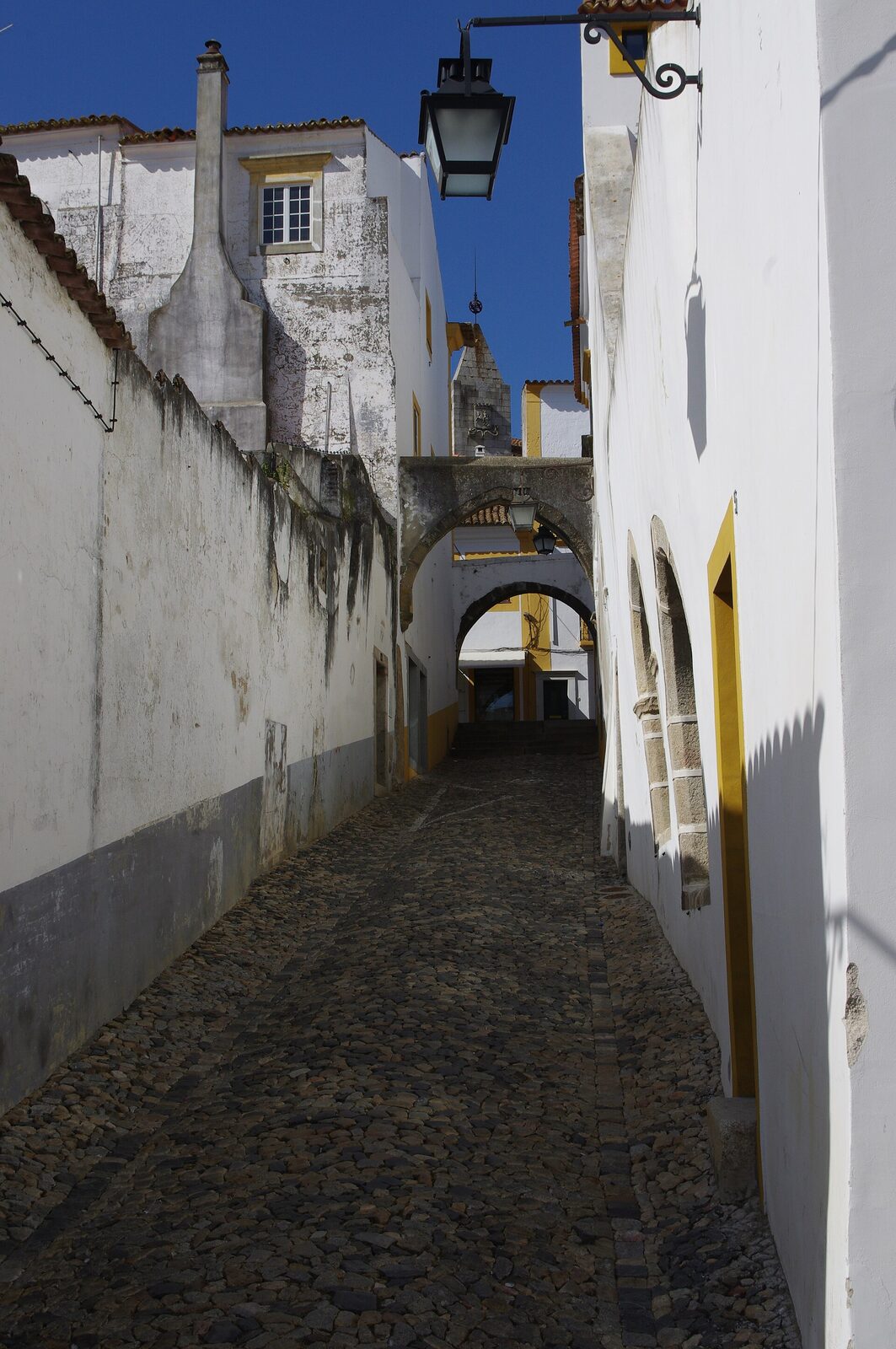
A VLM doesn't "see" — it reads a sequence of tokens where your image has been turned into a block
of vision tokens and slotted into a chat template alongside your words. Because
Qwen2.5-VL uses dynamic resolution, that block isn't a fixed size: a bigger or
wider image becomes more vision tokens (more detail, more compute). Below is the exact
templated prompt, the live image-token count for the picture you chose, and the
token stream with the time each token arrived — so you can watch it read and see
where the latency goes.
vision tokens for this image –
processed size –
Constructed chat template
Run a generation to see the templated prompt.
Token stream (value · ms since start)
Tokens appear here as they're generated.
Why it matters
Qwen2.5-VL pushes the "reading and pointing" VLM further: native-resolution input means it holds up
on real documents — small fonts, dense tables, chart tick labels — where a fixed-square model loses
detail. And grounding turns "describe" into "locate": the model can hand back coordinates, not just
prose. Running that in a browser tab — privately, offline-capable, free per call — turns a lot of
server-side document and vision plumbing into a client-side primitive.
- Higher-fidelity document Q&A — read a photographed invoice, receipt, or dense report and answer questions about it, at native resolution, without the image leaving the device.
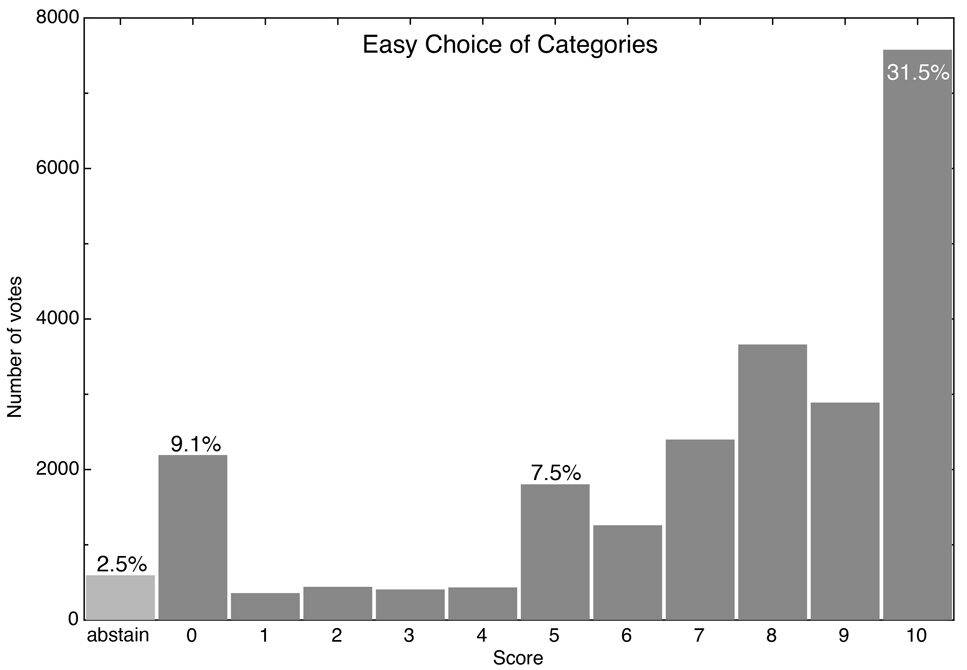
- Chart & data extraction — pull the numbers out of a bar/line chart screenshot and reason about the trend, right inside your app.
- Visual grounding — "where is the stop sign?" returns a box you can draw, click, or crop — on-device object localisation guided by natural language.
- Accessibility copilots — describe complex images and read dense text aloud for users who need it, with no per-image API cost.
How the API works
Qwen2.5-VL in Transformers.js uses a dedicated model class (new in v4.2). You build a chat message
whose content mixes an image placeholder and text, template it, run the processor over the
templated text plus the image, then generate — streaming tokens as they come. Because the processor
keeps the native aspect ratio, we resize to a multiple of 28 first so the vision-token grid is
predictable:
import { AutoProcessor, Qwen2_5_VLForConditionalGeneration, RawImage, TextStreamer }
  from "@huggingface/transformers"; // v4.2.0 — Qwen2_5_VL class is not in 3.7.5

const model_id = "onnx-community/Qwen2.5-VL-3B-Instruct-ONNX";
const processor = await AutoProcessor.from_pretrained(model_id);
const model = await Qwen2_5_VLForConditionalGeneration.from_pretrained(model_id, {
  dtype: { embed_tokens: "fp16", vision_encoder: "fp16", decoder_model_merged: "q4f16" },
  device: "webgpu",                        // WebGPU required
});

const image = await RawImage.read(imageURL); // kept at native aspect ratio (dynamic resolution)
const conversation = [
  { role: "user", content: [{ type: "image" }, { type: "text", text: prompt }] },
];
const text = processor.apply_chat_template(conversation, { add_generation_prompt: true });
const inputs = await processor(text, image);   // inputs.image_grid_thw = the vision-token grid

const streamer = new TextStreamer(processor.tokenizer,
  { skip_prompt: true, skip_special_tokens: true, callback_function: (t) => append(t) });
await model.generate({ ...inputs, max_new_tokens: 256, do_sample: false, streamer });
This page runs exactly that, in a Web Worker, and gates on a real WebGPU adapter first — if none exists it shows a labelled needs-WebGPU state instead of a fake answer.