Clothes Parsing — give every pixel of a person a garment name
This is human parsing: not "cut out the person" and not "find the face" — every pixel of
a person is classified into one of 18 clothing and body classes (upper-clothes,
dress, skirt, pants, hat, scarf, belt, bag, shoes, hair, face, arms, legs). Pick a photo and watch
it become a colour-blocked map of garments, entirely on your device.
A different job from the segmentation demos already here:
portrait matting cuts the whole
person out as one silhouette, face parsing
labels facial regions, and background
removal is binary foreground/background. Clothes parsing labels which garment
each pixel belongs to — the raw material for fashion tagging, virtual try-on, and per-garment edits.
WebAssembly, Web Workers, Canvas, FileReader — all Baseline widely available
Run it
Pick or drop a photo of a person and hit Parse. Every pixel gets a garment/body label; the map is drawn over your photo. Slide the opacity to fade between the photo and the pure colour map.
Drop a photo of a person here, or click to choose
Garment legend
Run parsing to label the clothing.
backend –latency –classes found –garment coverage –map resolution –
See inside
The model outputs a score for every one of the 18 classes at every pixel, then takes the
argmax — the winning class per pixel — to make the label map. On the left is that
map on its own (the raw model output, no photo). On the right, the class distribution: how much of
the frame each garment/body part claimed. That coverage vector is a compact "what is this person
wearing?" signature — useful for fashion tagging, retrieval, or driving per-garment edits.
Run parsing to see the label map and class distribution.
Argmax label map (raw output)
Per-class coverage
Why it matters
A per-pixel garment map is the raw material for fashion, retail, and avatar features — and having
it run locally means you can analyse or edit what someone is wearing without uploading their photo
to a server.
Fashion tagging & search — turn a photo into "wearing a dress + hat + bag" tags, or index a catalogue by garment, all client-side.
Virtual try-on prep — the upper-clothes / dress / pants masks are exactly what a try-on or garment-swap pipeline needs to composite a new item.
Per-garment edits — recolour only the "upper clothes," extract just the "dress," or blur everything except the outfit — precise region edits with no manual masking.
Dataset & retail QA — auto-label garments to bootstrap a training set, or check that a product shot frames the item, without sending photos off the device.
Clothes parsing is the standard Transformers.js semantic-segmentation pipeline. It returns one entry per class present, each with a full-resolution mask:
import { pipeline } from "@huggingface/transformers";

const parse = await pipeline(
  "image-segmentation",
  "Xenova/segformer_b2_clothes",
); // downloads + caches ~29 MB once

const output = await parse(imageURL);
// → [{ score: null, label: "Upper-clothes", mask: RawImage },
//    { score: null, label: "Pants", mask: RawImage },
//    { score: null, label: "Hair", mask: RawImage }, … ]
//   each mask is 0/255 for that class; together they tile the whole image
This page runs that in a Web Worker, then folds the per-class masks into a single colour-coded
overlay (argmax per pixel) and a per-class pixel count — so the map, legend, and coverage bars are
all views of the one label map the model produced. Nothing is uploaded.
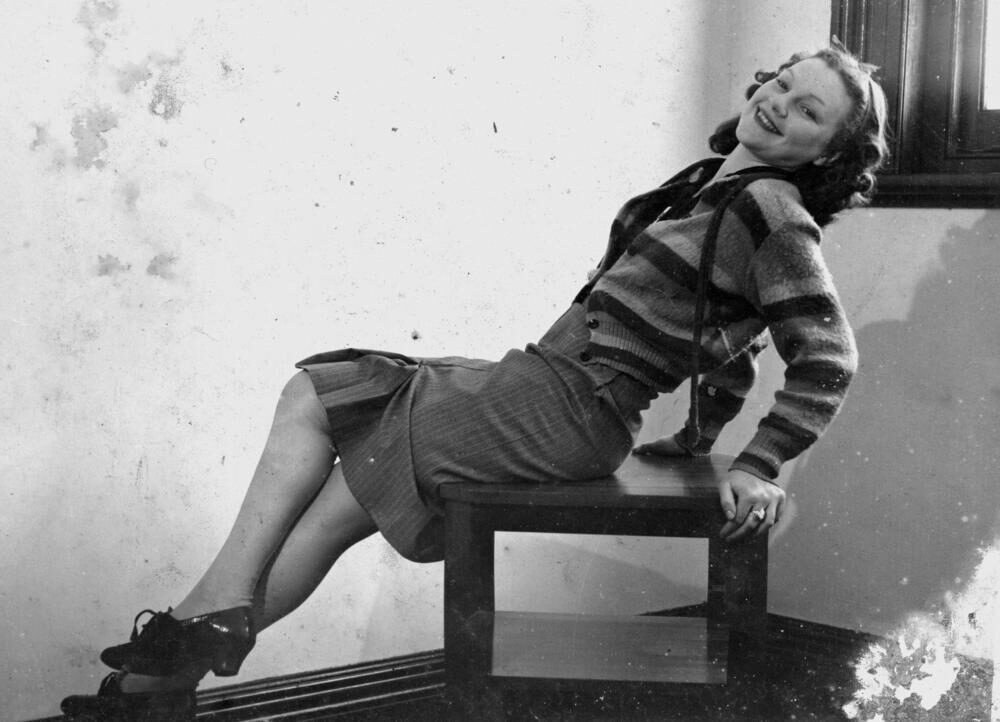
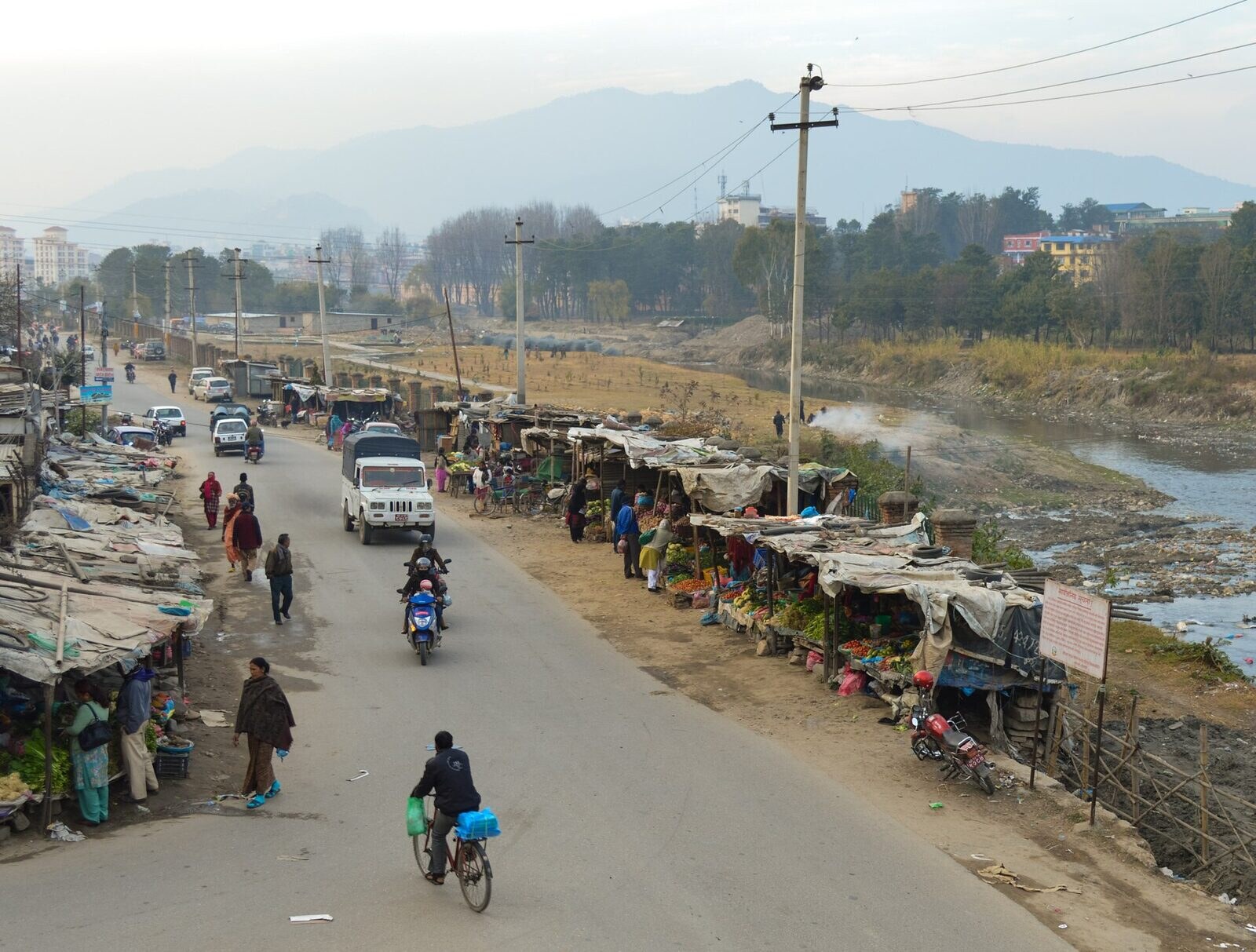
Sample images: studio portrait — Jones, W. A. (Public domain); market crowd — Francisco Anzola (CC BY 3.0); street scene — Ken & Nyetta (CC BY 2.0). All via Wikimedia Commons.